
What Do You Consider Lethal?
Asks teens to rethink how ordinary choices can turn deadly on the roadway
What Do You Consider Lethal? challenges teens to rethink how everyday choices can become life-threatening, especially on the roadway. Through interactive questions and guided discussion, participants examine how the four types of distraction, speed, seat belt use, and speaking up influence safety outcomes.
The evidence-based program reinforces that most teens want to make safe choices and look out for others. By highlighting positive norms and real-world scenarios teens recognize, participants see how simple, everyday decisions can protect lives and support shared roadway responsibility.
Why This Program Works
Interactive, research-driven programs that challenge teens to think critically about risk, responsibility, and the power of their choices behind the wheel and beyond.
Students Report Programs as Great/Good
* 15,000+ surveys annually
Students report behavior change
* Evidence-based outcomes
Schools using this program
* Nationwide
Stories That Drive Change
Real students. Real behavior change.
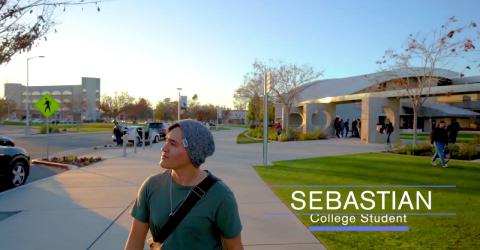
Watch Sebastian's Story
How It’s Delivered
Flexible, evidence-based implementation designed for schools
Format
- Facilitated, evidence-based instruction
- Interactive discussion and guided reflection
- Use of real-world scenarios and data
- Short video segments featuring authentic stories
Duration
- Designed for a standard 45–60 minute class period
- Delivered as a single session
- Optional extensions and reinforcement activities available
- Flexible scheduling to meet school needs
Setting
- Health and wellness classes
- Driver education and safety courses
- School assemblies and student leadership groups
- Parent nights and family engagement events
- Career and technical education programs
- Digital media and virtual learning environments
Resources Included
Everything you need to implement the program
Lorem ipsum dolor sit amet, consectetur adipiscing elit. Ut elit tellus, luctus nec ullamcorper mattis, pulvinar dapibus leo.
Lorem ipsum dolor sit amet, consectetur adipiscing elit. Ut elit tellus, luctus nec ullamcorper mattis, pulvinar dapibus leo.
Lorem ipsum dolor sit amet, consectetur adipiscing elit. Ut elit tellus, luctus nec ullamcorper mattis, pulvinar dapibus leo.
Lorem ipsum dolor sit amet, consectetur adipiscing elit. Ut elit tellus, luctus nec ullamcorper mattis, pulvinar dapibus leo.
Lorem ipsum dolor sit amet, consectetur adipiscing elit. Ut elit tellus, luctus nec ullamcorper mattis, pulvinar dapibus leo.
Lorem ipsum dolor sit amet, consectetur adipiscing elit. Ut elit tellus, luctus nec ullamcorper mattis, pulvinar dapibus leo.